The Journal
Emotional Regulation
Insights
Practical articles on nervous system science and tools you can use in real life.

Why Emotional Regulation Is State-Dependent, Not a Fixed Trait
Emotional regulation is less a fixed personality trait than a state-dependent skill shaped by stress, context and biology, which means it can be changed.

Why Small Changes Often Have Surprisingly Big Effects
Small changes can create surprisingly big effects by exploiting feedback loops, thresholds, and habits. Here’s how tiny shifts reshape behavior over time.

When Anger Becomes a Wall: How Rage Protects Us From Softer Feelings
For many people, anger is the only emotion that feels safe to express. Understanding what lies beneath it can change everything.

The Guilt That Was Never Yours: When We Absorb Other People's Shame
Many people carry a sense of guilt that belongs not to them but to a parent, a partner, or a family system. Understanding how this works can be liberating.
Why Willpower Often Fails Under Stress
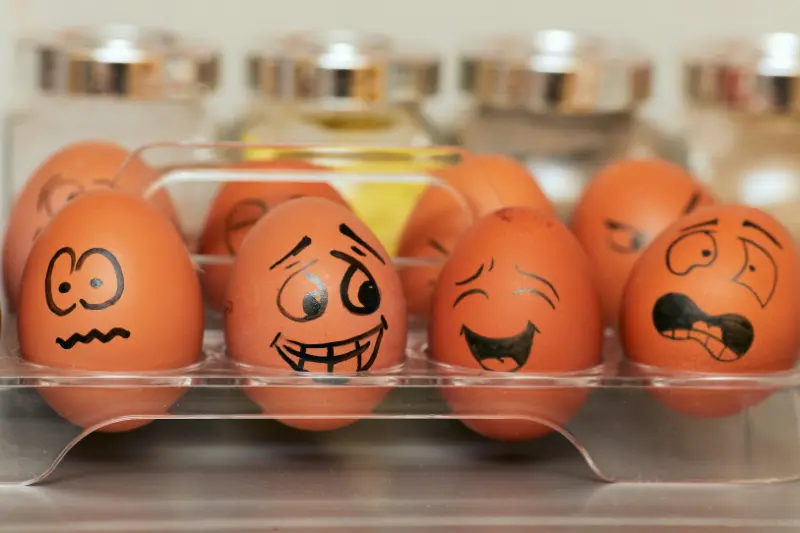
Willpower often fails under stress because the brain shifts into survival mode, draining the mental resources self-control depends on—and that can be changed.

Why Your Brain Picks Safety Before Logic
Your brain was built to keep you alive, not to win arguments. Here’s why the mind so often prioritizes safety over logic, and how to work with that design.
The Anatomy of Shame: Why Our Most Painful Emotion Is Also Our Most Hidden
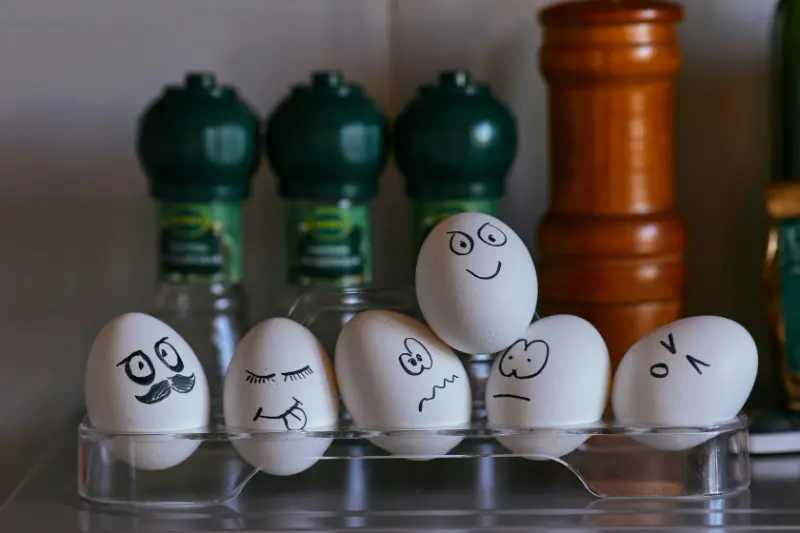
Shame hides itself better than any other emotion — which is part of why it does so much damage. Here is what research reveals about how it works.

The Anatomy of Guilt: A Painful Feeling That Actually Wants to Help
Guilt is one of the least comfortable emotions — and one of the most useful. Research on what makes it healthy versus harmful offers a way forward.
The Science of Sadness: Why This Quiet Emotion Is More Useful Than You Think
Sadness has long been seen as something to overcome. A growing body of research suggests it is something to learn from.

The Science of Loss: What Research Reveals About How We Grieve
Grief was long considered the province of poetry and philosophy. Now neuroscientists and psychologists are mapping its biology — and finding surprising reasons for hope.

Why Emotional Suppression Does Not Work — And What to Do Instead
Decades of research are consistent: trying not to feel something tends to make you feel it more. Here is what the science suggests we do instead.
Decision Fatigue Is Real: How Choosing Wears Us Out and What to Do About It
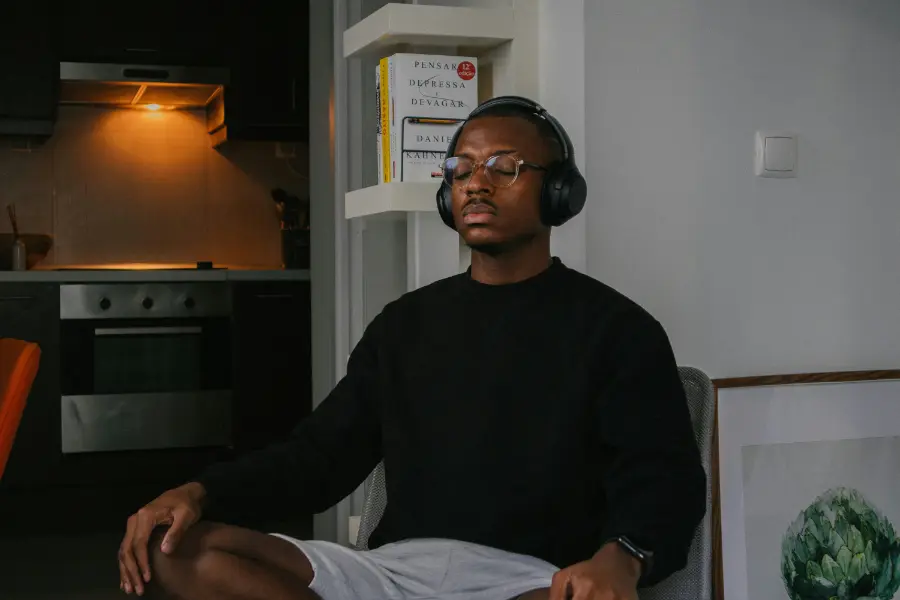
The more decisions we make, the worse we get at making them. Research on decision fatigue reveals one of modern life's hidden sources of exhaustion.